

For travellers who have already walked Lisbon’s miradouros or lingered along Porto’s riverfront, a second trip to Portugal often calls for something different. Less movement, fewer highlights, more presence.
There are countless ways to explore the country by car: inland through wine country, east toward the Spanish border, or deep into the Alentejo plains. This seven-day Portugal road trip is simply one of them, and one we return to often. It follows the coastline from north to south, not because it’s the fastest route, but because it allows Portugal to unfold gradually, shaped by the Atlantic and the quiet towns that live alongside it.
Designed around three carefully chosen bases, with two nights in each, the journey favours rhythm over reach. The road eventually leads into the Algarve, where it makes sense to slow down once more and where the trip naturally ends in Faro.
Why a Slower Road Trip Makes Sense in Portugal
On paper, Portugal looks easy to cover quickly. In practice, its most memorable moments happen when there’s no pressure to move on. Choosing a few strategic bases allows travellers especially those renting a car in Portugal, to explore deeply rather than widely. You spend less time packing, checking in, and navigating unfamiliar roads, and more time noticing small details: how mornings sound different near the sea, how cafés fill up after school lets out, how the landscape subtly changes as you head south.
This approach is particularly rewarding for those who’ve already experienced the big cities and want to see how Portugal feels beyond them.
First Destination: Viana do Castelo
STAY 2 NIGHTS
After arriving in Porto and picking up the car, head north instead of south, especially if you’ve already spent time exploring the city’s layered neighbourhoods, riverfront walks, and everyday rituals, as covered in our guide to things to do in Porto.
Within an hour and a half, the atmosphere shifts noticeably. Viana do Castelo sits between mountains and sea, with a sense of calm that feels distinctly northern. It’s not showy, but quietly beautiful. Days here unfold gently: walking along the waterfront, riding the funicular up to the Sanctuary of Santa Luzia, or taking short drives to nearby towns like Caminha or Ponte de Lima, where life still follows older rhythms.
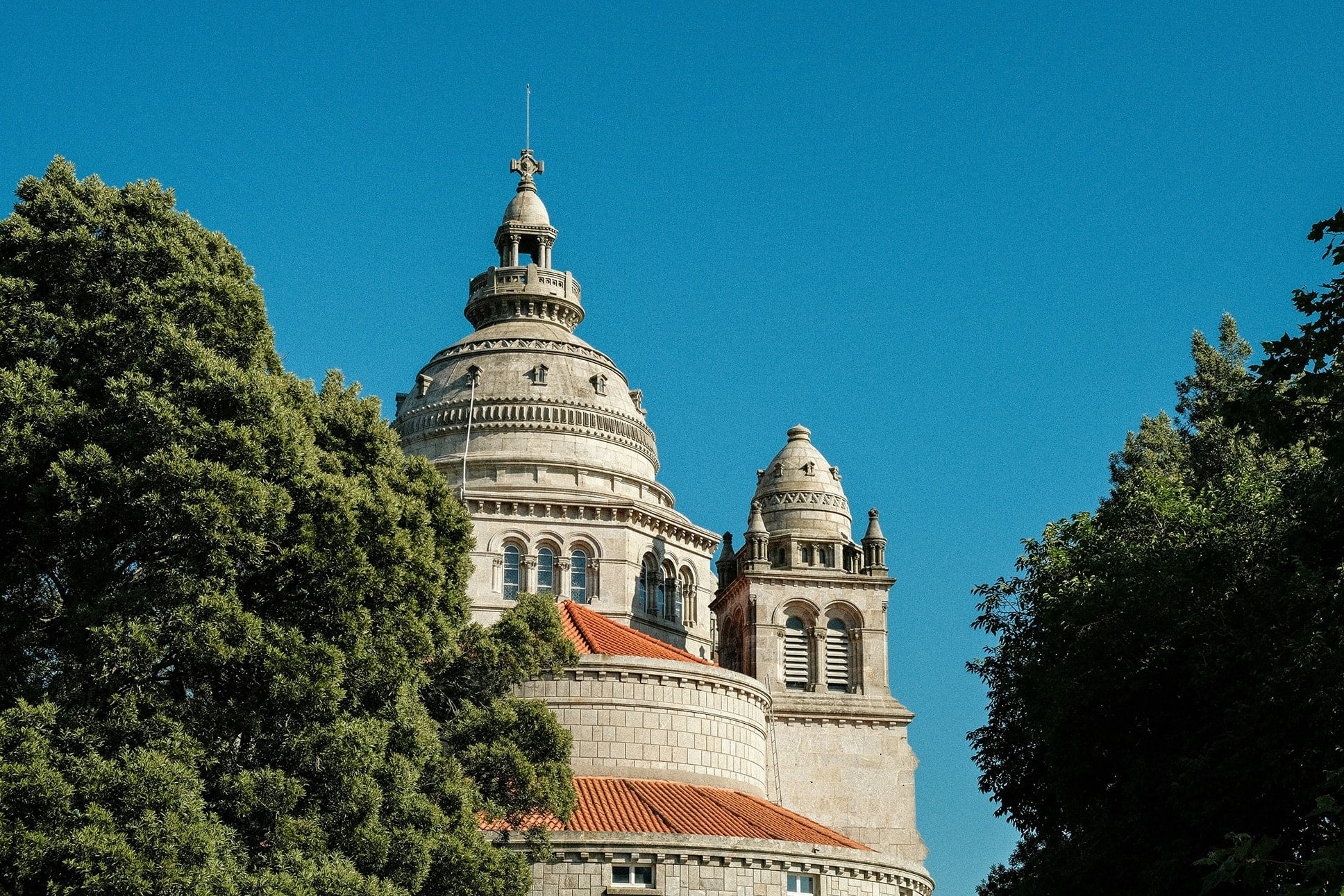 Photo: Max Kukurudziak via Unsplash
This is a place to slow your pace early in the trip, to let jet lag fade, to adjust to the road, and to ease into Portugal without distraction.
Suggested day trips: From Viana do Castelo, short drives lead to places like Caminha, where river and sea meet quietly, or Ponte de Lima, one of Portugal’s oldest towns, surrounded by gentle countryside and an unhurried, deeply local pace of life.
Second Destination: Aveiro or the Silver Coast
STAY 2 NIGHTS
Driving south, the landscape flattens and the air feels lighter. Aveiro works well as a base, not for its postcard canals alone, but for its proximity to places that feel lived-in rather than curated.
Nearby Costa Nova offers wide beaches and striped houses that feel playful without being precious. Further inland, Coimbra adds intellectual weight and history, a city best experienced slowly, even if only for half a day, wandering its old streets, university grounds, and layered past, as explored in our deeper look at Portugal’s historic heart between Lisbon and Porto.
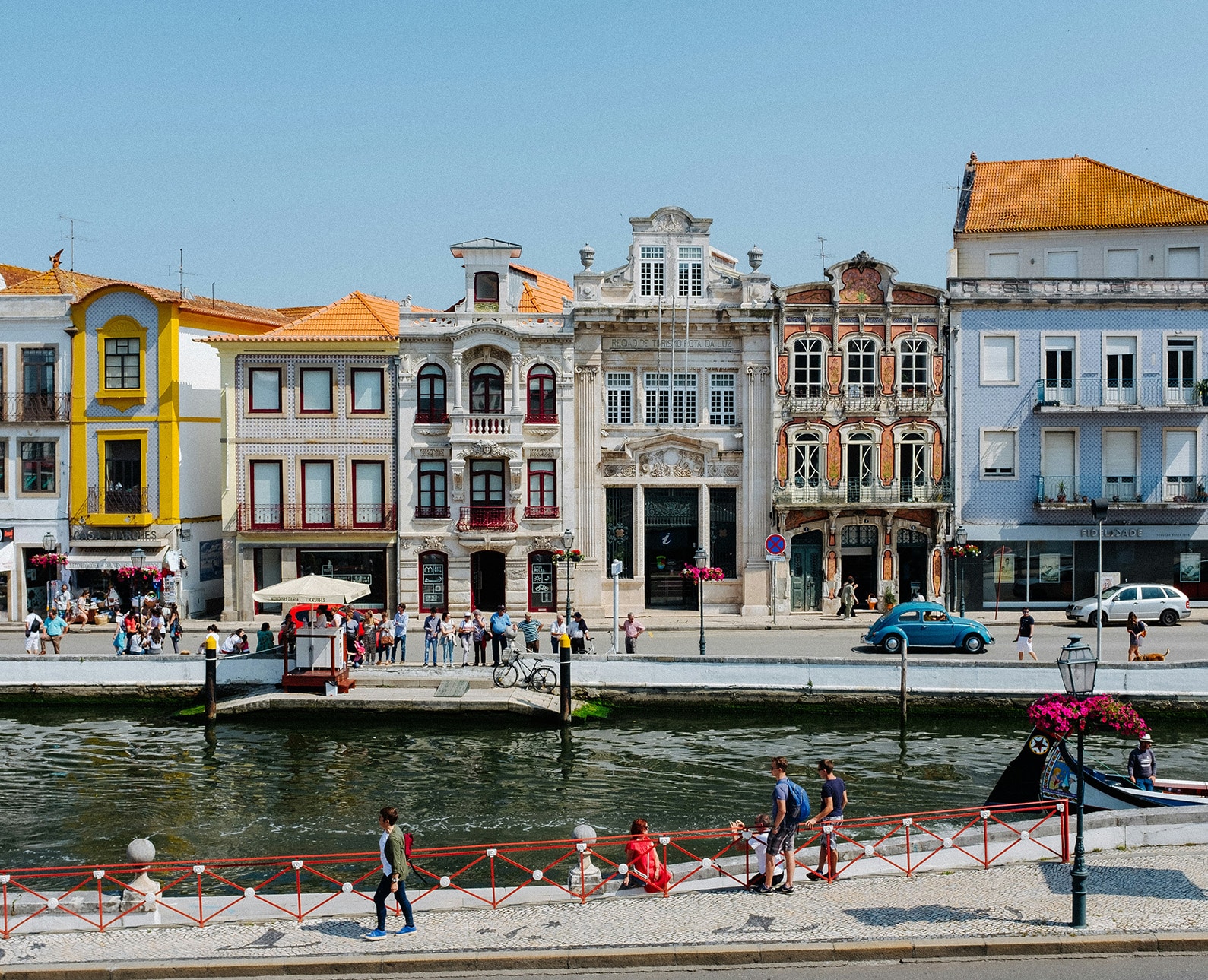 Photo: Ricardo Resende via Unsplash
Staying two nights allows time to experience the quieter side of central Portugal: unhurried meals, local bakeries, conversations that aren’t designed for visitors but welcome them anyway.
Suggested day trips: From Aveiro, it’s easy to split time between the striped houses and wide beaches of Costa Nova, and an inland detour to Coimbra, where historic courtyards, old libraries, and student life give the day a slower, reflective rhythm.
Third Destination: Vila Nova de Milfontes or Zambujeira do Mar
STAY 2 NIGHTS
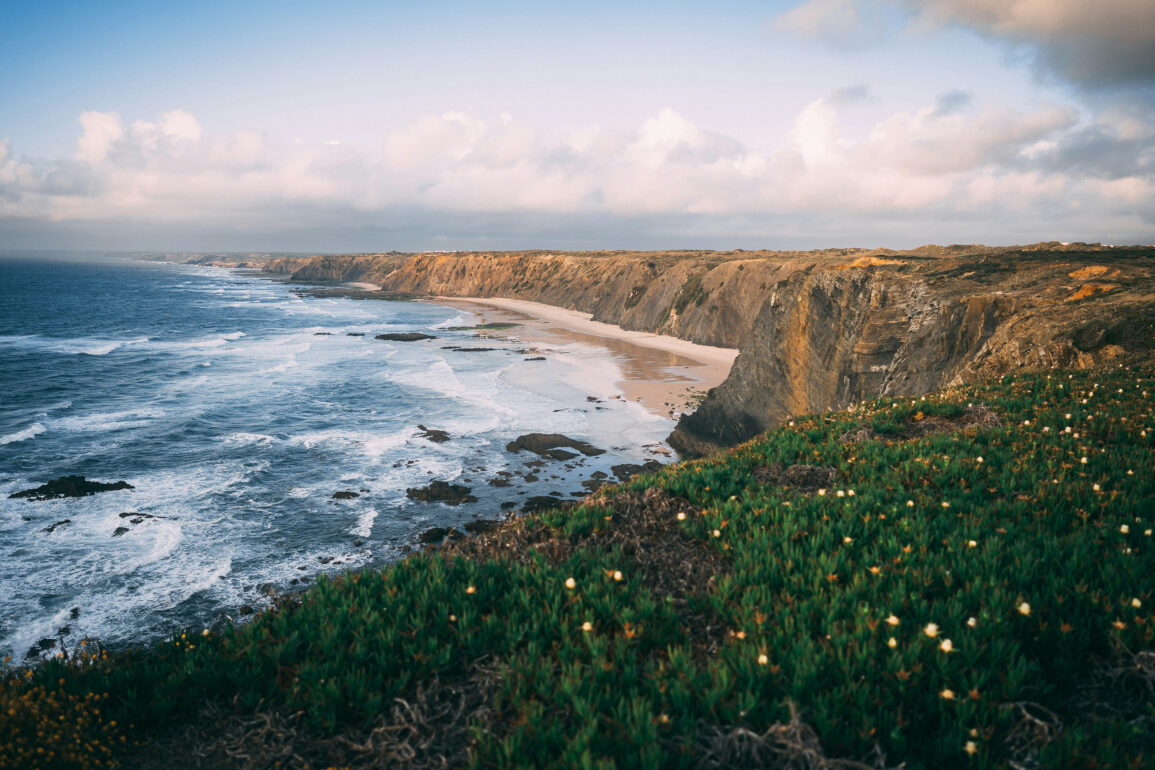
The Alentejo coast is where many travellers realise why they chose a car. The scenery turns wilder, towns grow smaller, and the Atlantic feels closer. Both Vila Nova de Milfontes and Zambujeira do Mar make excellent bases, depending on preference. Milfontes feels gentler (river, town, and sea in balance) while Zambujeira sits dramatically atop cliffs, shaped by wind and waves.
 Photo: Magda Ehlers via Unsplash
Two nights here allow for slow exploration: beach-hopping without a checklist, lingering over seafood dinners, and watching the sky change colour in the evenings. This is Portugal at its most elemental.
Suggested day trips: Staying along the Alentejo coast allows for unplanned beach stops at places like Praia do Vale Figueiras, gentle coastal walks, or a visit to Sines, where daily life unfolds around the port without any sense of performance.
Final Destination: Alentejo Coast and Algarve
STAY 1 NIGHT
From the Alentejo, the road naturally pulls south. Passing beaches like Praia do Amado and heading through Sagres, the land feels exposed and vast, as though Portugal is slowly loosening its grip. Whether stopping briefly in Lagos or Portimão, or driving straight through, the Algarve marks a subtle shift: warmer light, softer evenings, a sense of arrival.
Ending the journey in Faro makes practical sense for flights, but it also feels like a natural conclusion. The road has already done its work.
A Few Grounded Notes on Renting a Car in Portugal
For a slower itinerary like this, the car becomes less about efficiency and more about ease:
- Build flexibility into pick-up times to avoid starting the trip rushed.
- Smaller cars suit coastal towns and historic centres better.
- Some highways use electronic tolling and it’s worth understanding how this is handled before setting off.
- For longer journeys with a one-way return, arranging car rental Portugal plans in advance often simplifies logistics.
Once these details are settled, they tend to fade, leaving space for the experience itself.
When Travel Becomes Less About Places
A road trip like this doesn’t aim to show everything. It’s designed to let a few places show themselves properly.
By staying longer, driving less, and allowing days to stretch naturally, Portugal reveals a quieter side, one that doesn’t announce itself loudly but stays with you long after the journey ends.
And sometimes, that’s exactly what a second trip should be.