

TLDR
Key Takeaways
- A Buddhist funeral in Singapore often involves younger members participating for the first time, navigating complex customs.
- Funerals typically last three, five, or seven days, featuring an altar with offerings and chanting by monks to honor the deceased.
- Younger generations are increasingly curious about the reasons behind customs, distinguishing between Buddhist teachings and Chinese folk traditions.
- Modern funerals adapt to practical needs, including longer wakes for convenience and using technology like livestreams for distant relatives.
- Families personalize farewells, incorporating meaningful elements while honoring traditions in a way that resonates with them.
A Buddhist funeral in Singapore is often the first time younger family members are asked to take part in rites they’ve only ever watched from the side. Many Singaporeans have walked past a wake at an HDB void deck: the tentage, the rows of round tables, monks chanting into the evening. Far fewer know what each part of it is for.
For Buddhist families, a funeral is a way to express gratitude, fulfil family duties and bring relatives together, sometimes for the first time in years. And as Singapore changes, so does the way families approach these rites, with younger generations asking more questions and adapting customs to fit modern life.
What to Expect at a Buddhist Funeral in Singapore
No two Buddhist funerals look exactly alike. Most combine religious teaching with Chinese cultural practice and the family’s own habits, and practices also differ between Buddhist schools and communities. Still, a few elements come up again and again.
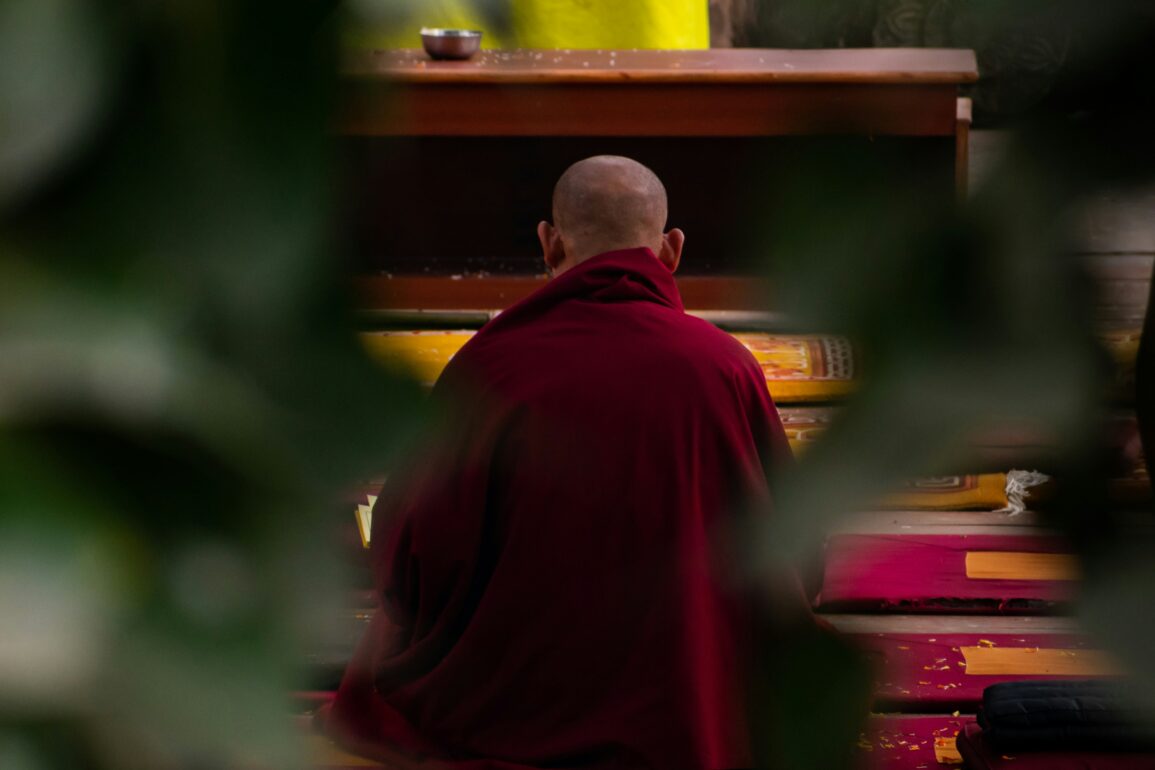
The wake usually runs for three, five or seven days, held at a void deck, a funeral parlour or a dedicated wake facility. An altar holds a photograph of the deceased alongside candles, flowers, fruit and incense. Monks or other practitioners lead chanting sessions, reciting sutras to encourage reflection, cultivate merit and dedicate blessings to the deceased.
Cremation is the more common choice. Afterwards, the ashes are placed in a columbarium, scattered at an inland ash garden or committed to the sea. Many families continue with memorial prayers on the seventh day, through the 49 days after death and again on the 100th day. The 49-day period reflects a belief, common in Chinese Buddhism, that rebirth takes place within that time.
Guests generally wear dark or muted colours and steer clear of red or anything bright. It’s customary to offer incense or bow at the altar, pass on condolences to the family and give condolence money, known as bai jin, in a white envelope to help with funeral costs. Phones go on silent, and guests unsure about a ritual can simply ask a family member.
Wakes are social occasions too. Cousins who usually only see each other at Chinese New Year end up talking late into the night over peanuts and packet drinks, swapping stories about the person they’ve lost. For the immediate family, the daily routine of the rites also gives some shape to a very hard week.
Younger Singaporeans Want to Know the “Why”
Previous generations mostly followed funeral customs because that was how things had always been done. Younger Singaporeans tend to ask more questions. Why are monks invited to chant? Why does the wake run for an odd number of days? What are the offerings for? Does every family have to follow the same steps?
Many of these questions come down to one distinction: what comes from Buddhist teaching, and what comes from Chinese folk custom. Burning paper offerings, for example, comes from folk tradition rather than Buddhism, and is more closely tied to Taoist funerals. Many families observe both, depending on their background, which is why two “Buddhist” funerals can look quite different.
Knowing the difference lets younger relatives take part with some understanding, rather than just doing as they’re told. For families arranging a funeral for the first time, funeral providers’ own overviews of Buddhist funeral services and traditions in Singapore can help separate the essential rites from optional customs and practical arrangements, ideally before decisions have to be made in a hurry. Talking it through also opens up conversations between generations about which practices matter most to the family.
How Buddhist Funerals are Adapting to Modern Life
Practical concerns now shape many of these decisions. Space, work schedules, accessibility and the needs of elderly relatives all influence where a wake is held and how long it runs. Some families keep a longer wake so friends have more time to visit. Others go shorter because it’s easier to coordinate.
Technology has crept in as well. Photo montages, online obituaries and livestreamed rites let relatives overseas take part when they can’t fly home. For most families, these sit alongside the chanting and prayers rather than replacing them.
The farewell itself is becoming more personal. Alongside the religious rites, families might include photographs, music where appropriate, short tributes or a small display of the person’s belongings. A grandparent whose HDB corridor was lined with potted plants might be remembered through the floral arrangements. These touches work when they suit the family’s beliefs and the ceremony, and they don’t have to cost more. Often the moment people remember most is a grandchild sharing a story in their own words.
Not every family will make the same choices, and they don’t need to. Some keep every rite exactly as their grandparents did, while others pare things back to chanting and a few words of remembrance. Buddhism’s own emphasis on impermanence leaves room for that. What carries across generations is the reason the rites exist at all: to honour the person, thank them and look after the family they leave behind.
Frequently Asked Questions (FAQ)
A Buddhist wake in Singapore usually lasts three, five or seven days. The exact length depends on the family’s wishes, religious guidance and venue availability.
Wear dark or muted colours such as black, white, grey or navy. Avoid red and other bright colours, which are associated with celebrations.
There is no fixed amount. Condolence money, known as bai jin, is given in a plain white envelope, and the amount usually reflects how close you were to the deceased or their family.
Many families hold memorial prayers on the seventh day, throughout the 49 days after death and on the 100th day. Ashes are usually placed in a columbarium, scattered at an inland ash garden or committed to the sea.
A Buddhist funeral centres on chanting sutras and dedicating merit to the deceased. Taoist funerals are led by Taoist priests and usually include burning paper offerings. Many Chinese families in Singapore combine elements of both.
Yes. Visitors of any faith can pay their respects. Guests who prefer not to offer incense can bow at the altar instead.