


TLDR
Key Takeaways
- Tribecar is a car sharing platform in Singapore, founded in 2016, and has grown from 10 cars to over 1,500 vehicles.
- The company offers flexible rentals with no long-term contracts, primarily catering to leisure drivers and commercial users.
- Tribecar has maintained a responsible driving community through measures like a security deposit and clear technology for transparency.
- The company adapts continuously, including diversifying its fleet and engaging directly with users for feedback through forums.
- Future plans focus on partnerships with autonomous vehicle technology to ensure reliable, affordable options for members.
Search for car sharing horror stories and the internet obliges. You’ll find threads about grubby interiors, small accidents that turned into big bills, and insurance fine print nobody read until it was too late. Even so, car sharing in Singapore hasn’t gone anywhere, for a reason anyone who has followed a COE bidding round will understand. Most people don’t need a car every day. They need one for the IKEA run, a family dinner in Punggol or a few shifts of private hire driving.
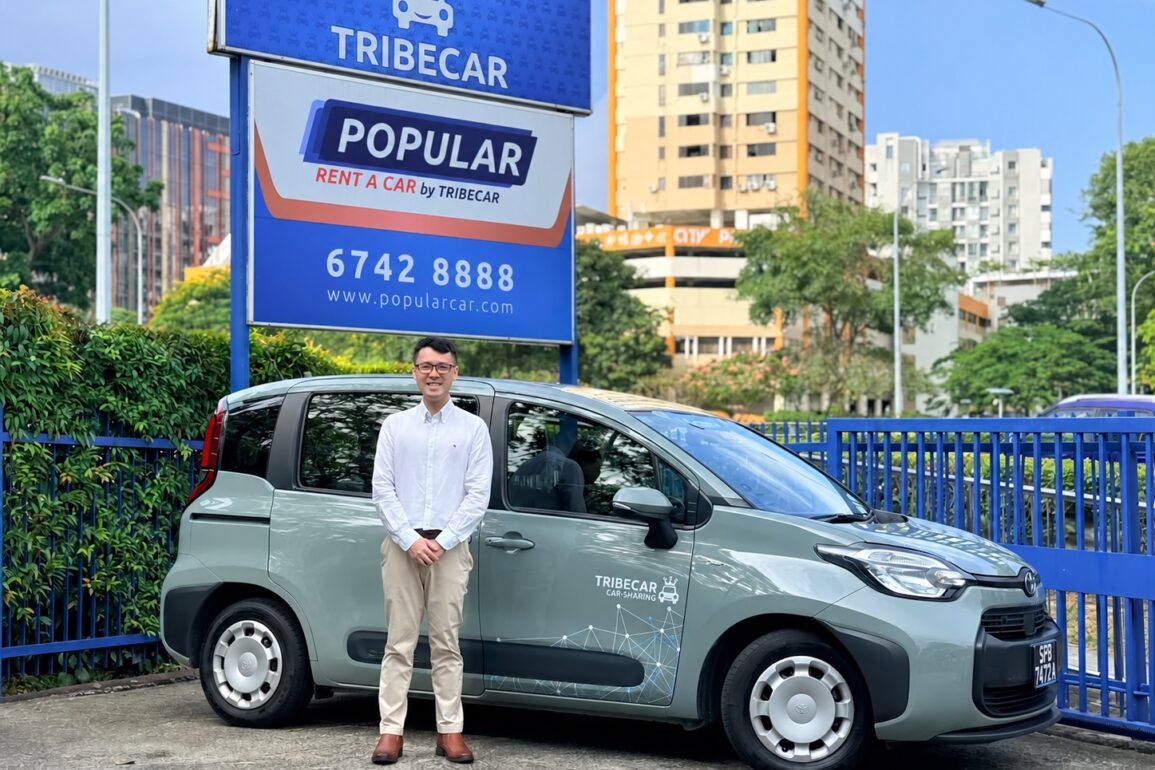
Tribecar has spent a decade fielding exactly these questions. The company turned ten in 2026, having grown from 10 cars in 2016 to more than 1,500 vehicles. We put the questions people most often ask about car sharing to co-founder Adrian Lee, along with how the service actually works.
How Tribecar Started
CN: Let’s start at the beginning. Why car sharing, and why in 2016?
Adrian: It all started when we witnessed the rise of ride-hailing platforms like Uber in the US. We noticed how difficult it was for individuals to become private-hire drivers because they were often tied down by long-term, rigid vehicle leases. We wanted to solve that pain point by offering complete flexibility. No lock-in contracts, with rentals broken down into daily or hourly slots. Drivers could drive as much or as little as they wanted, pay only for what they used, and earn a healthy income to support their families. Once we established that foundation and saw its success, expanding the service to leisure drivers was the natural next step.
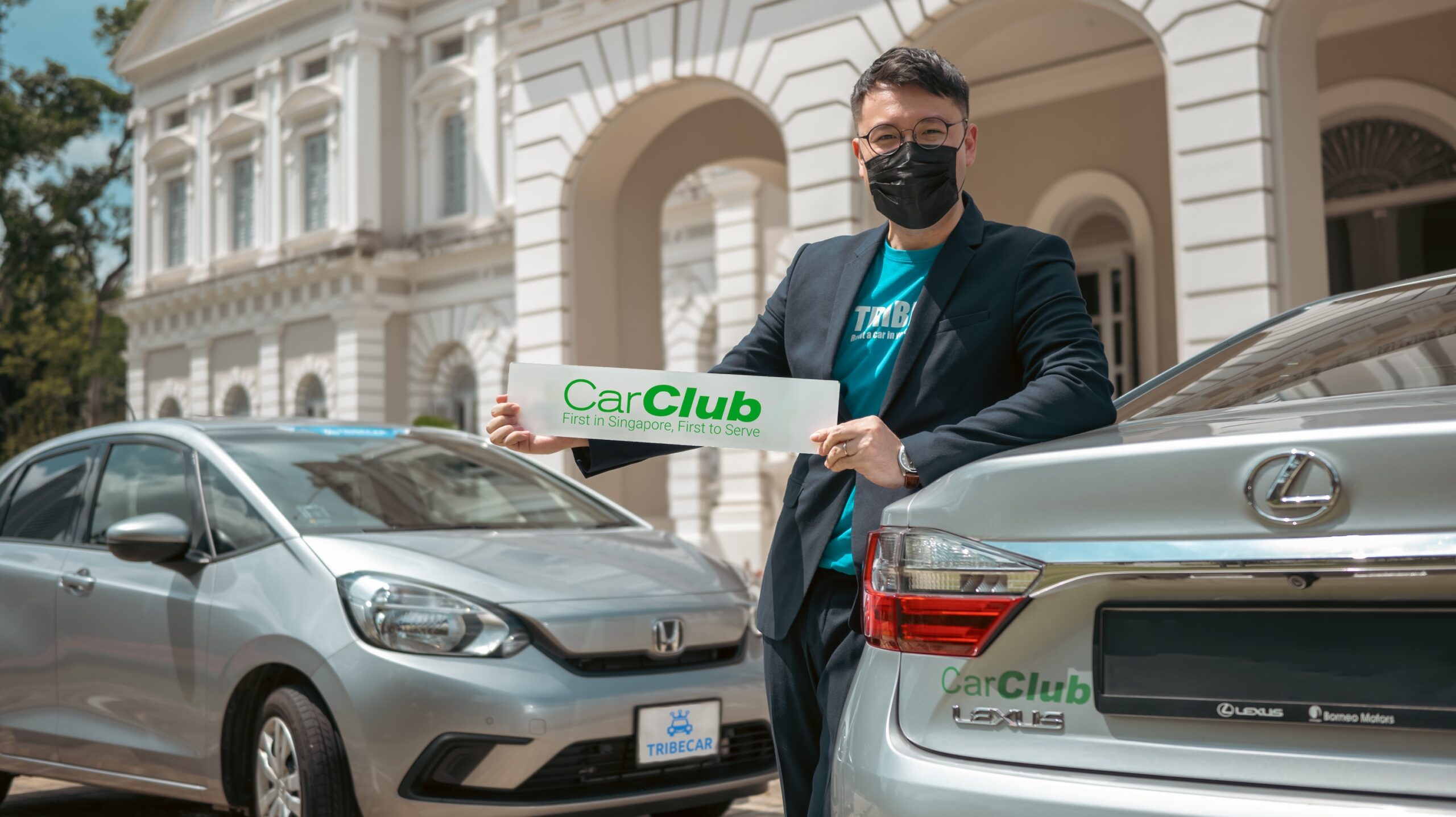
CN: Car Club had been running since 1997. What did bringing it into Tribecar mean?
Adrian: It was a huge milestone for us. Car Club had been Singapore’s pioneer car sharing operator since 1997, so it brought decades of industry knowledge and operational experience. It also brought a strong base of loyal members. About 10% of our members today originally came from Car Club, and many of them are still driving with us. We’re proud to carry that forward.
Surviving a Decade of Car Sharing in Singapore
CN: Looking back across the industry, plenty of car sharing platforms have folded or pulled back over the years. How did Tribecar manage to hit the 10-year mark when others didn’t?
Adrian: We started with car sharing rentals at S$0.50 an hour, no more than a McDonald’s ice cream cone, and it was very popular. Ride-hailing drivers responded especially well. That was our start.
Leisure drivers now make up around 70% of our users. The other 30% are commercial users, like private hire drivers and delivery partners, who rely on our fleet to earn a living. To serve that range, we diversified the fleet to cover almost any use, from motorcycles and sedans to commercial lorries.
That mattered when ride-hailing took off. Even before Uber entered Singapore, we had been closely studying platforms like Uber in the US, and using car-sharing for ride-hailing was actually a world-first idea that we initiated. We partnered with both Grab and Uber, while other players like Smove relied almost entirely on Uber. When Uber abruptly left Singapore, single-partner models took a massive blow. We had diversified across platforms, Grab ended up dominating the market, and we kept moving. Balancing everyday trips with commercial use gave us steady demand all year and a business built to weather major market shifts.
The Hard Parts of Car Sharing: Bad Drivers, Insurance and a S$500,000 Mistake
CN: We see reckless driving horror stories involving shared cars all the time in the news. How do you keep bad drivers off your platform?
Adrian: Bad driving is an industry-wide problem, and every now and then it makes the headlines. But we’ve managed to build a far more responsible community on the road. The key is a mandatory S$100 security deposit at sign-up. It works as a natural filter, bringing in serious, mindful drivers who treat the fleet with respect. You rarely see Tribecar cars trending on Stomp or in the news for driving up pedestrian ramps or ploughing into gantries.
CN: Ten years in, loyalty in car sharing is still tough to maintain. Why do members continue to stay with Tribecar, and how do you plan to keep going for another decade?
Adrian: In the beginning, it was definitely tough. There was often a big gap between what drivers and platforms expected, especially around damage disputes. So we upgraded our technology to build transparency into every booking. We introduced Start Trip and End Trip photo uploads, so our members and our team have a clear, shared record. That feature set the standard for the local industry, and other major players eventually followed.
Beyond the tech, we keep a direct line open with members through the Tribecar Users Group, a public community forum where they can air grievances, give feedback or share kudos. Hopefully more kudos. When getting a real response from customer support is notoriously hard, having an open channel where we actively engage sets us apart.
Finally, we deal with insurance anxiety head-on. Unexpected accident costs put a lot of people off car sharing, which is why we created TribeShield. It lets members recover more than 80% of their excess claims. The upgraded TribeShield Plus offers 100% excess reimbursement and priority claim processing. We’re currently the only player in the market taking protection this far.
CN: Fuel is one of the most common complaints about shared cars. What did you change?
Adrian: Car sharing depends on a shared community, so we try to keep the rules fair for everyone. Originally, for cars outside our Mileage Charge plans, users paid for their own fuel and could return the car at any level, as long as the reserve light wasn’t on. But we kept hearing from users whose reserve warning came on almost as soon as they drove off. FlexiFuel was our fix. You return the car at the same fuel level you picked it up at, and the minimum return level is now 25%, the same as our Mileage Charge cars. That way, no one starts a trip on a nearly empty tank.
CN: Looking back, what’s one genuine failure or misstep Tribecar made along the way, and what did it teach you?
Adrian: One of our biggest financial scars was a S$500,000 gamble on commercial vehicles for the platform. We thought we were solving an immediate problem for SMEs, but we were way ahead of market adoption. Losing half a million dollars hurts, but it hasn’t changed who we are. When members tell us they need something, we build it. Some bets don’t pay off, but that willingness to experiment and listen to our community is exactly why we’re still here 10 years later.
The Next Ten Years in Car Sharing
CN: After ten years, is there a member story that’s stayed with you?
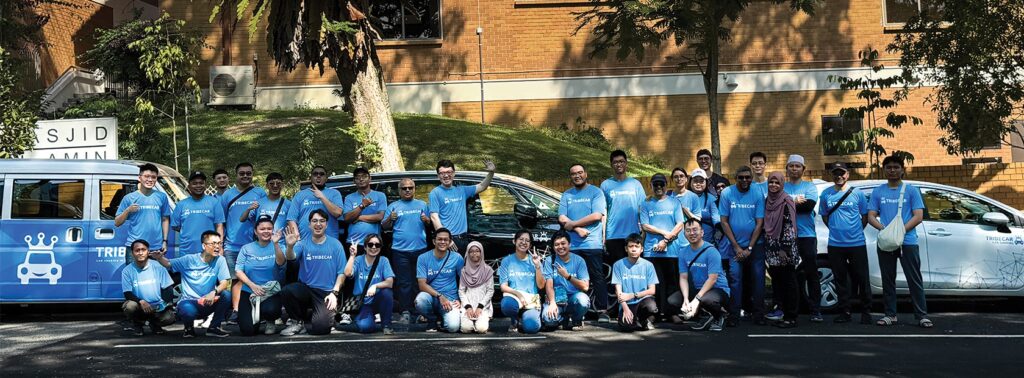
Adrian: Every year since 2023, we’ve partnered with various Muslim organisations to give back during the holy month of Ramadan. In 2024, working alongside Global Ehsan Relief, we launched our first-ever call for volunteer drivers among our members to help transport and distribute welfare packages to beneficiaries across Singapore. What touched us most was seeing drivers from all different ethnic backgrounds step forward so enthusiastically. Seeing our community unite across races to help those in need through a CSR initiative truly captures the heart and soul of Tribecar.
CN: What would you tell someone in Singapore who has never tried car sharing?
Adrian: Car-sharing has evolved so much from what it used to be! There’s now a tailored option for almost every scenario. For instance, if you’re shopping at IKEA for bulky items like furniture or flat-packs, renting one of our vans lets you transport everything home immediately while saving significantly on delivery fees. If you’re heading for reservist, grabbing a motorcycle is often far cheaper than riding a Grab. Whether you need a car for a road trip into Malaysia or want to upgrade to a sleeker model for a special occasion, car sharing has come a long way and it seamlessly adapts to whatever you need.
CN: So, what’s the ultimate secret to surviving 10 years in this industry?
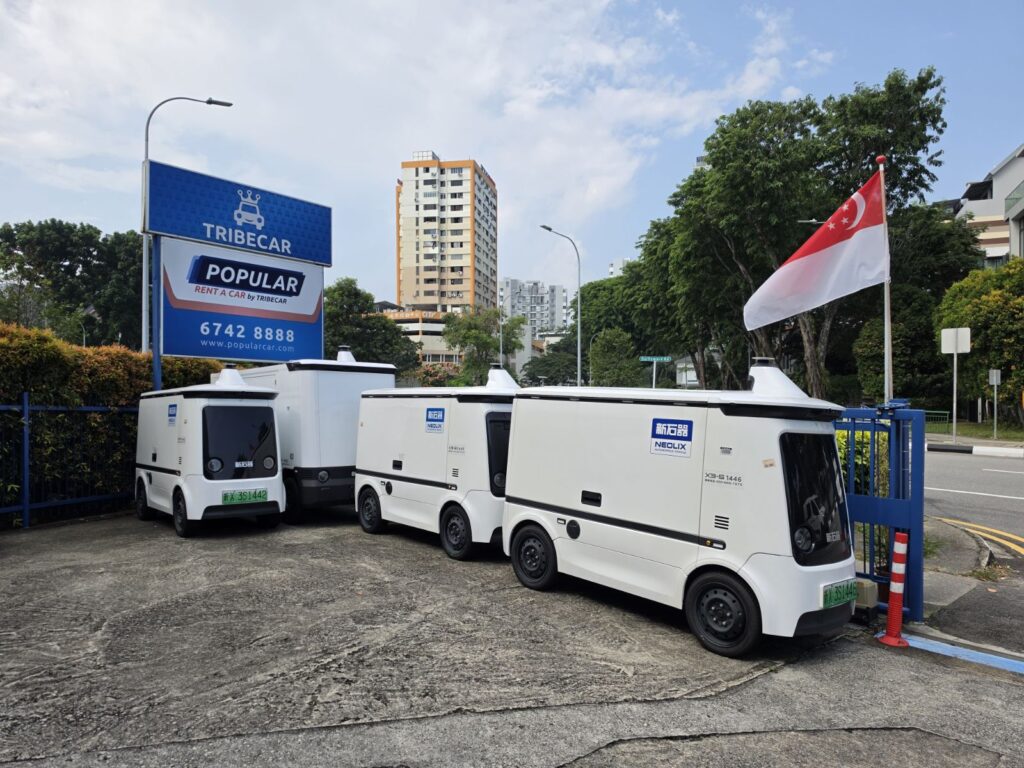
Adrian: Our ability to adapt without losing sight of our members. Autonomous technology is the next big frontier, and we’re already preparing by partnering with Neolix, a global leader in autonomous commercial goods vehicles. Whether the future means ride-hailing, self-drive car sharing or fully autonomous transport, we make sure all bases are covered, so our community always has a reliable and affordable option.
CN: Finally, Adrian, looking at the road ahead, do you think car sharing in Singapore is dying? Or has it found a permanent place on our roads?
Adrian: Far from dying, car sharing has evolved into a staple option for urban mobility. In fact, our customer retention remains consistently high at 70% to 80% across different registration cohorts, paired with a steady stream of new members signing up daily. We’ve reached a point where car sharing is no longer a novel concept that needs explaining; it’s a seamless part of the daily commute. As COE prices keep car ownership out of reach for many, and with the government increasingly supporting car-sharing as part of the nation’s car-lite future, car sharing is undeniably here to stay.
To see how Tribecar works, visit tribecar.com. Until 31 October 2026, new members can also join the 10th Anniversary Lucky Draw, where the Grand Prize is complimentary use of a MINI Cooper S 2.0A.
This interview is published in partnership with Tribecar.
Frequently Asked Questions (FAQ)
Tribecar is a car sharing and mobility platform in Singapore, founded in 2016.
Around 70% of Tribecar’s users are leisure drivers. The remaining 30% are commercial users, such as private hire drivers and delivery partners.
Tribecar members upload photos at the start and end of each booking. This gives members and Tribecar a shared record of the car’s condition.
TribeShield is Tribecar’s protection plan for insurance excess. It lets members recover more than 80% of their excess claims. With TribeShield Plus, Experienced Drivers can receive reimbursement of up to 100% of the insurance excess paid, subject to the applicable terms and conditions.